Counsellors already judge which course suits a student. Writing the judgement down as a score is what makes it reviewable, teachable and fast.
In most admissions offices the matching of student to course happens in a counsellor's head. An experienced one is usually right. The problem is not accuracy — it is that nothing about the judgement is visible. It cannot be reviewed, it cannot be handed over, it cannot be taught to the person hired last month, and it cannot be done at the speed enquiries arrive.
We built an admission management system around a simple proposition: write the judgement down as a score, and the rest of the pipeline becomes tractable.
A score does not decide anything. It arranges the evidence — academic background, language ability, budget, intended destination, timing — so the counsellor sees the same picture every time, in the same order, with nothing missing.
That distinction is worth defending. The moment a score is treated as a decision, two things go wrong: counsellors stop reading the file, and any bias in the weighting becomes policy instead of a suggestion.
A list of courses ordered by fit is a weak product. A list where each entry says why it is there — this matches the academic profile, this stretches the budget, this one has an intake that fits the student's timing — is something a counsellor can actually use in a conversation with a family.
Students and parents ask "why this one?" Any system whose answer is "the algorithm said so" has made the counsellor's job harder, not easier.
Assessment and matching are the interesting parts to build. The part that determines whether the system is used daily is the pipeline — the plain question of which enquiries are sitting untouched.
What made it work:
Students message. They message on several platforms, at night, and they expect a reply. An admissions system that only knows about enquiries typed into a web form is describing a fraction of the real pipeline, and the fraction it misses is usually the younger, faster-moving half.
Getting those conversations into the same pipeline as the formal applications is unglamorous integration work and it is where a lot of the value turned out to be.
An admissions file contains a young person's academic record, identity documents and family finances. The right posture is to collect only what is needed for the decision at hand, restrict who can see it by role, and be able to say exactly who opened a record and when. None of that is difficult. It is simply easier to skip, and it is not the kind of thing anyone should be skipping.
SATUMM's Admission Management system was built for SK Global Admissions and runs at skadmissions.com.
 Artificial Intelligence
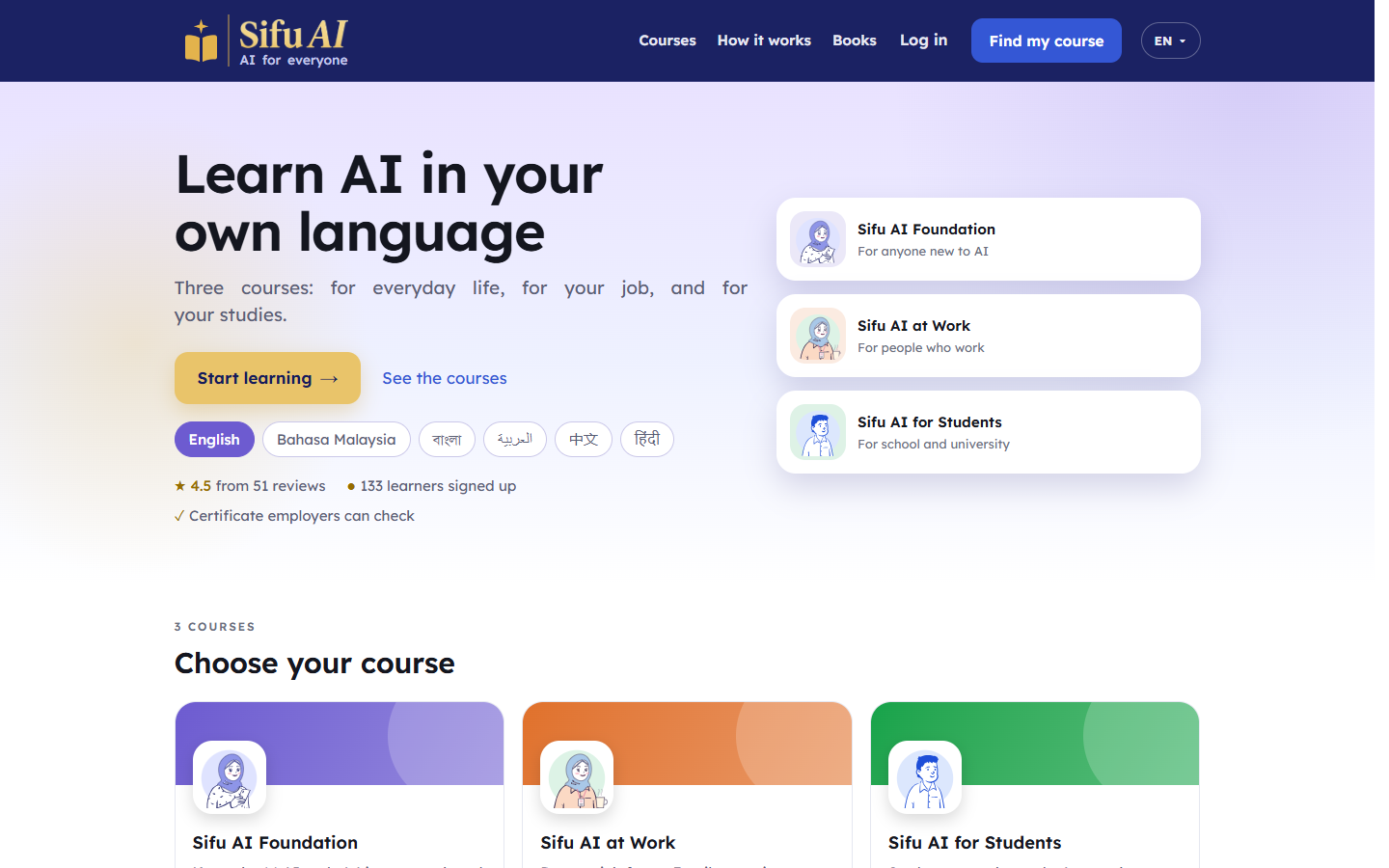
Translation was the easy part. The hard part was everything a language touches that is not text.
 Quality Assurance
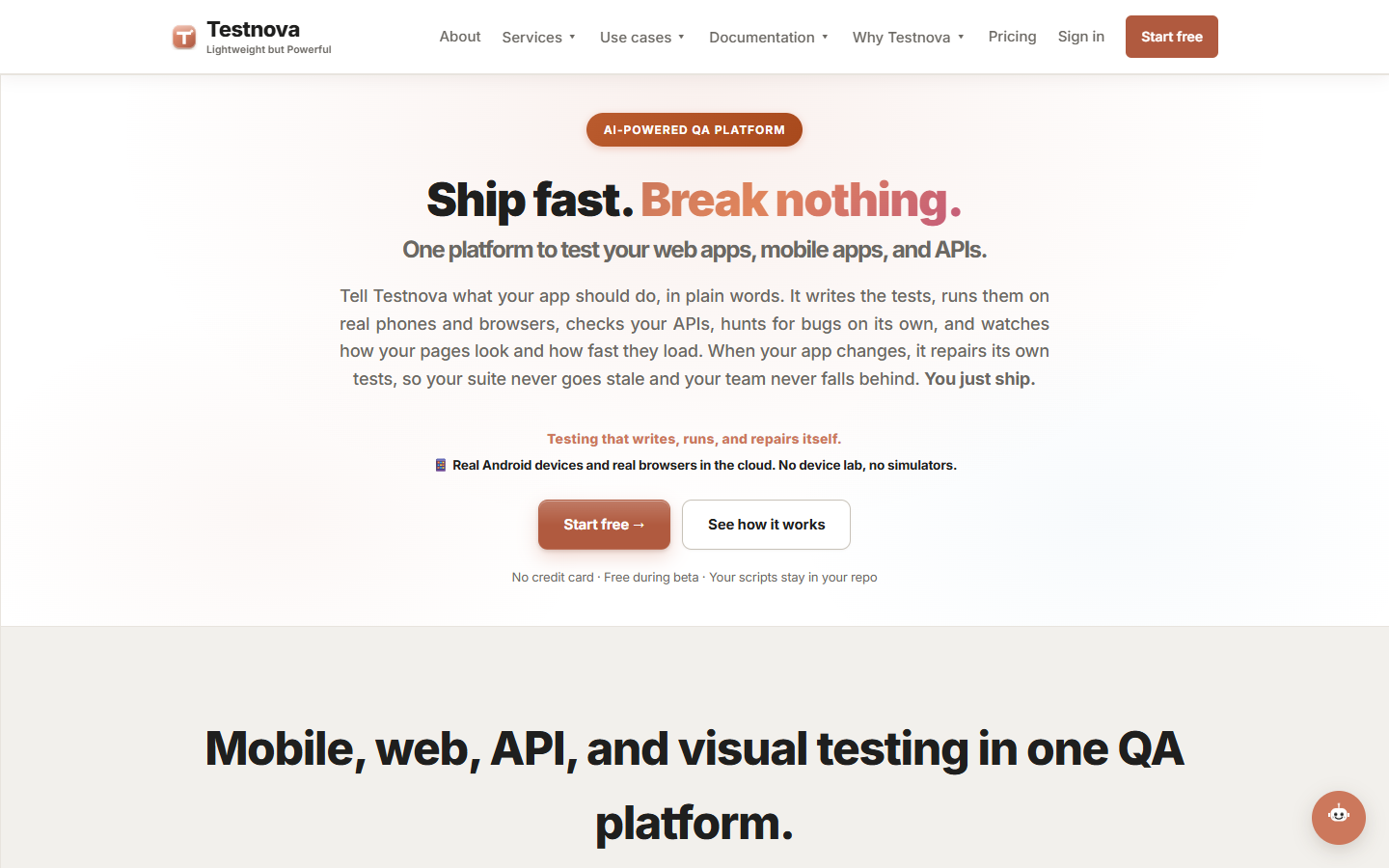
Self-healing automation is sold as a fix for flaky suites. Used carelessly, it hides exactly the failures you built the suite to catch.
 Artificial Intelligence
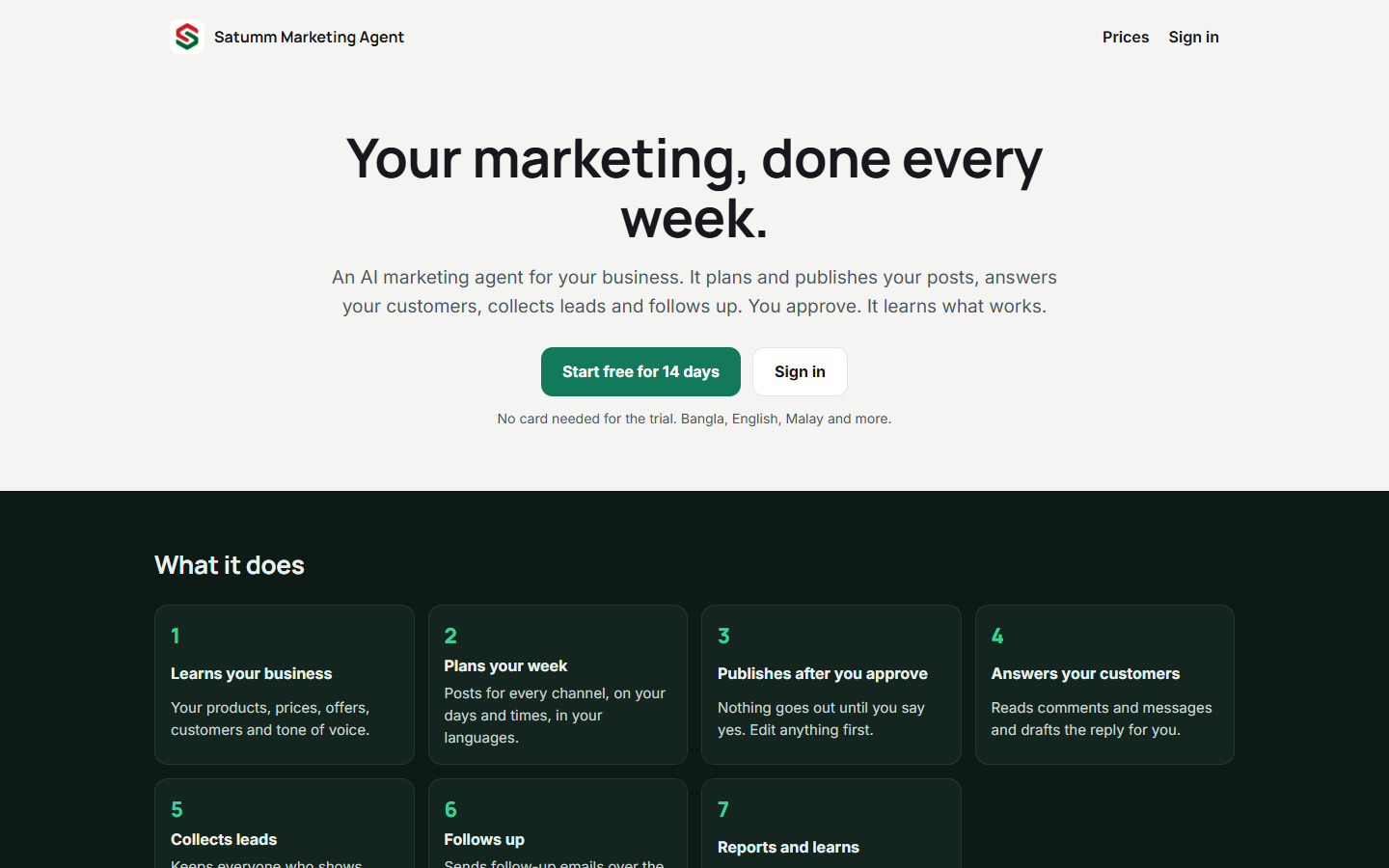
An AI that can publish is an AI that can publish a mistake under your name. Approval is not a setting — it is the architecture.
If it is, we would rather talk it through than have you read another article about it.
