Self-healing automation is sold as a fix for flaky suites. Used carelessly, it hides exactly the failures you built the suite to catch.
Every automation suite starts clean and ends up distrusted. The sequence is always the same: a build goes red, someone looks, the application was fine and the selector had moved. That happens a few more times. Then a team learns the habit that kills a test suite — re-running until green, and shipping on the second result.
TestNova repairs its own tests when the application changes underneath them. That removes most of this decay. It also introduces a real risk, and the interesting engineering is in telling the two apart.
When a step cannot find what it is looking for, the naive response is to fail. The useful response is to ask a narrower question: has this thing moved, or has it gone? A button whose id changed but which sits in the same place, carries the same label and does the same thing on click, has moved. A button that is simply not on the page any more has gone.
Repair is legitimate for the first case and dishonest for the second. The whole design problem is drawing that line and refusing to let it drift.
A test may re-find an element by a different attribute. It may not decide that a different element will do. If the step was "click Checkout" and there is no Checkout, the correct outcome is a failure — not a click on the most similar-looking button on the page.
A repaired run is green, but it is green with a note: this selector moved, here is what it was and what it is now. Repairs that nobody reads accumulate into a suite that no longer describes the product. Repairs that are reviewed are free maintenance.
Locating an element is a mechanical detail of how the test reaches the thing it cares about. The assertion is the thing it cares about. Expected text, expected total, expected state after an action — these fail loudly, always. Self-repair stops at the assertion boundary, and this is the rule we would never trade away.
In our own work, most instability traces back to one of four causes, and only the last is really about the test:
Self-repair helps with the third. It papers over the first two, which is why reporting matters so much: without the note, a repaired run quietly converts an environment problem into a false pass.
A suite that passes in a desktop browser and a simulator tells you about a desktop browser and a simulator. Keyboards that cover inputs, permission dialogs, interrupted network, a date picker that behaves differently on one Android version — these appear on real hardware and nowhere else. TestNova runs on real phones and real browsers for that reason, and it is the single change that has caught the most defects that would otherwise have reached users.
TestNova runs against our own releases before we propose it to anyone. That is partly a quality argument and mostly a design one: running your own tool on your own product is the fastest way to find the places where it is annoying, and annoying is how a test suite starts being avoided.
TestNova is a SATUMM product, engineered out of our own QA practice and used on our own releases. These rules were written after watching suites decay, including our own.
 Artificial Intelligence
Translation was the easy part. The hard part was everything a language touches that is not text.
 Artificial Intelligence
An AI that can publish is an AI that can publish a mistake under your name. Approval is not a setting — it is the architecture.
 Software Engineering
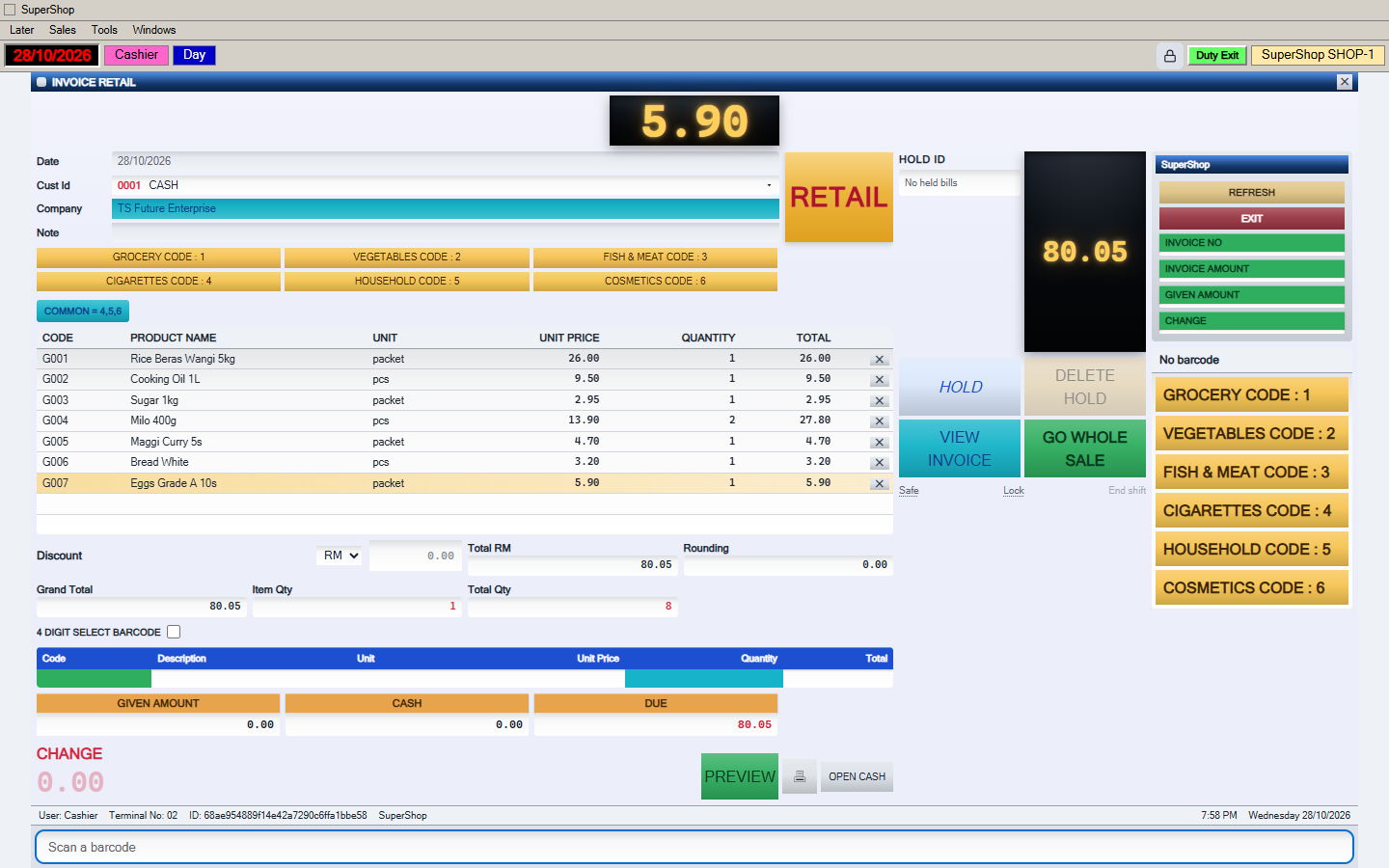
For a shop, "the system is down" is not an inconvenience. It is a queue of customers walking out. That requirement rewrites the architecture.
If it is, we would rather talk it through than have you read another article about it.
