Translation was the easy part. The hard part was everything a language touches that is not text.
Sifu AI teaches people to use AI in their own language. That sentence took far more engineering than it reads, because a language is not a layer you paint over a finished product. It reaches into the database, the payment flow, the certificate, the tutor and the typography, and it reaches into each of them differently.
We built it in six: English, Bangla, Bahasa Malaysia, Arabic, Hindi and Chinese. Here is what that actually cost, and what we would tell anyone planning the same thing.
The instinct is to wire up a translation library, extract every string, and declare the job done. That gets you a product where the interface is translated and the substance is not. A learner reading a course in Bangla whose examples are all American, whose payment screen quotes dollars, and whose certificate is in English has not been taught in their own language. They have been handed an English product with Bangla buttons.
So we split the work in two from the start. Interface strings are a translation task. Course content, examples, the tutor's voice and anything a learner reads for meaning are an authoring task, done per language by someone who would speak that way.
Sifu AI's tutor speaks. That turns a text problem into a speech problem, and speech is where cheap multilingual support falls apart. A model that writes passable Bangla may read it aloud with an accent that makes a learner wince — and a learner who winces at the tutor stops asking it questions, which is the whole product.
Two rules came out of this, and we now apply them to any multilingual AI feature:
A payment flow is not localised by converting the number. The learner needs to pay the way people in that country actually pay — and if the only route is a card most of them do not hold, the course is theoretically available and practically closed.
Sifu AI runs two payment systems side by side for exactly this reason: one international, one local. It roughly doubles the work in checkout, reconciliation and refunds. We would do it again, because the alternative is a product that is open to everyone and bought by the people who were never the point.
Arabic flips the interface. If the design system was built with a left-to-right assumption baked into its spacing, icons and component logic, retro-fitting direction support means revisiting every component. If direction is a first-class property from the first component, it costs almost nothing.
This is the clearest example of a general rule in multilingual work: the expensive choices are the ones made implicitly, early, by someone who was not thinking about language at all.
Sifu AI is a SATUMM product — we designed it, built it, and we run it. The decisions above are the ones we live with in production, not recommendations from a case study we read.
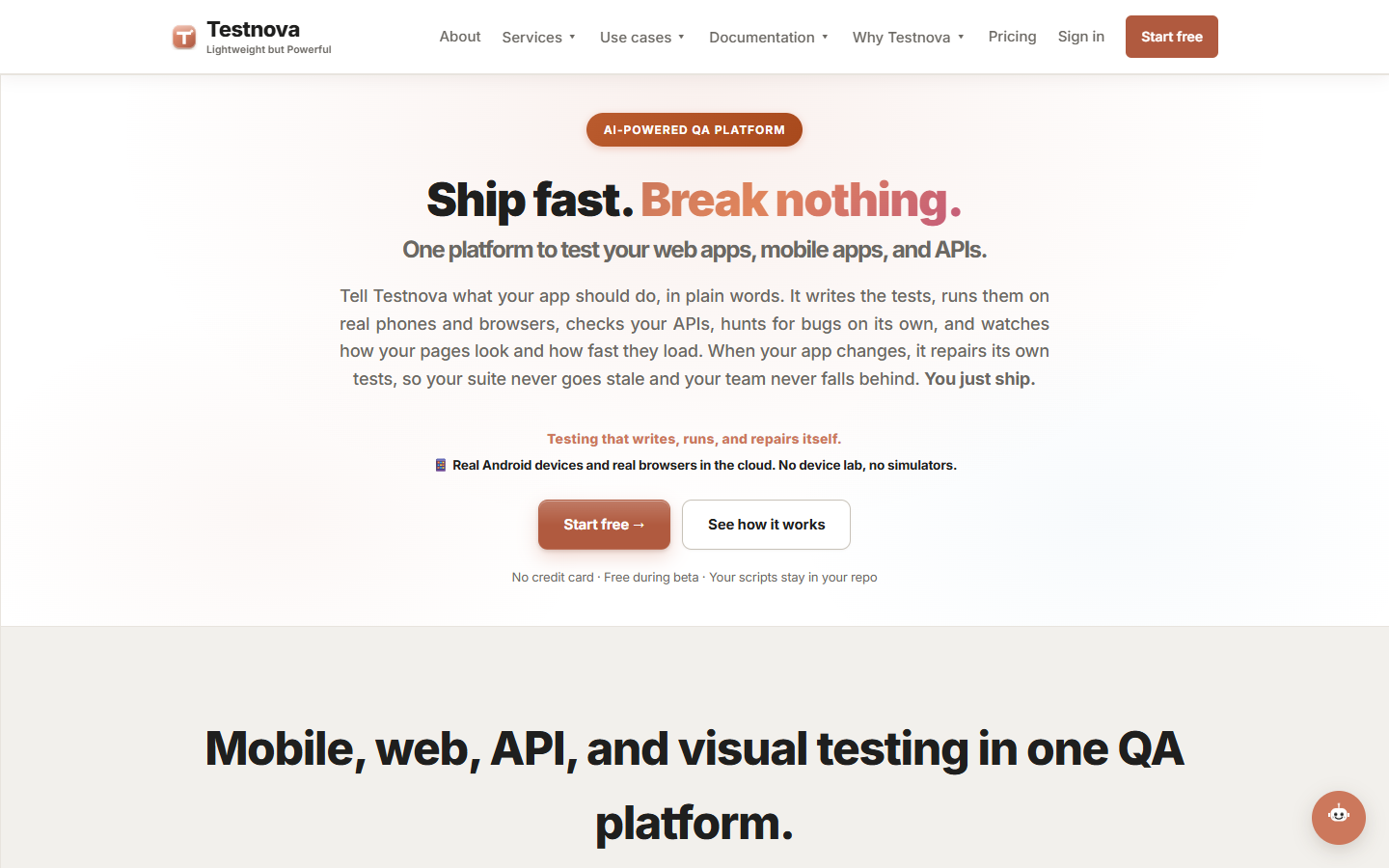 Quality Assurance
Self-healing automation is sold as a fix for flaky suites. Used carelessly, it hides exactly the failures you built the suite to catch.
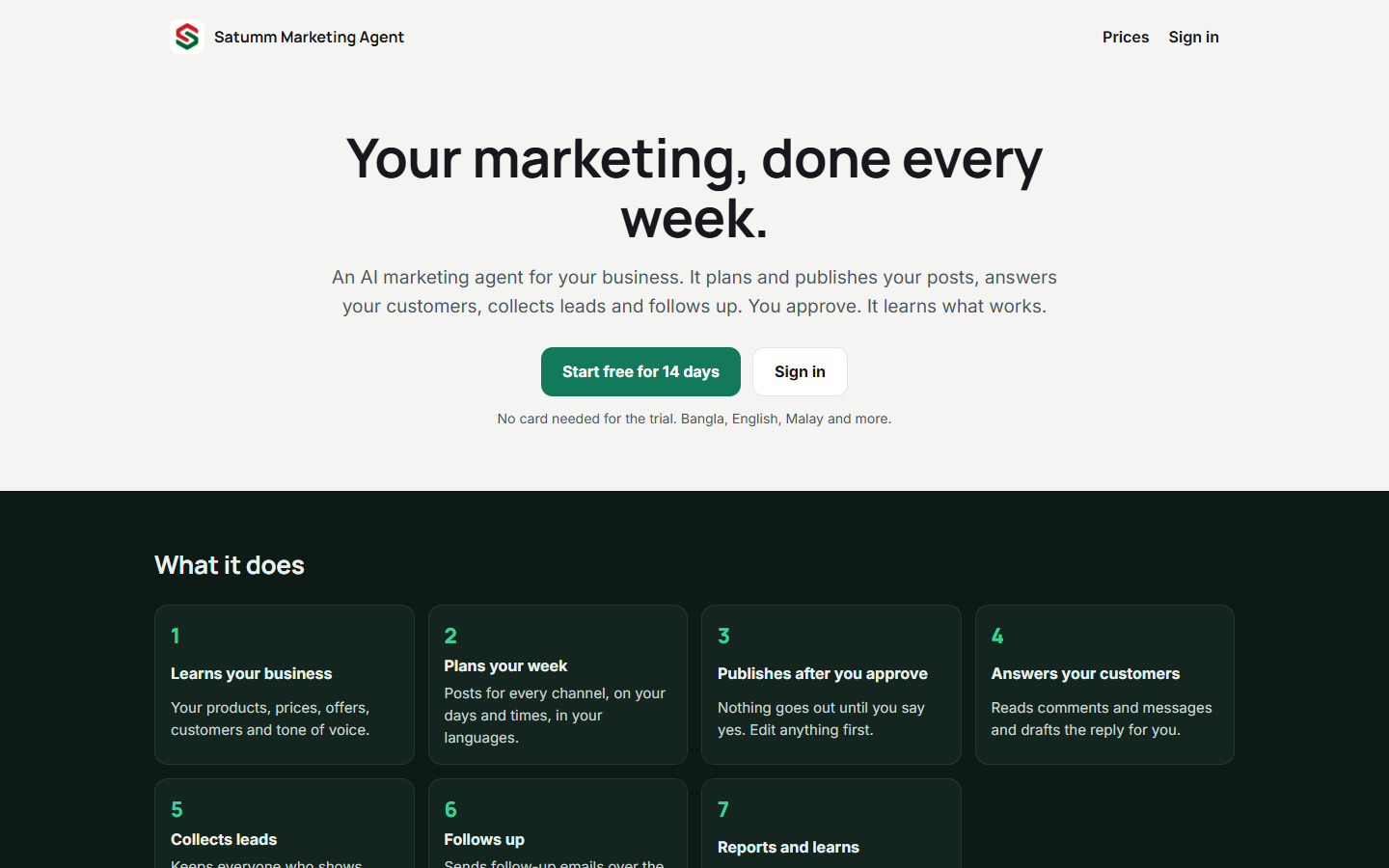 Artificial Intelligence
An AI that can publish is an AI that can publish a mistake under your name. Approval is not a setting — it is the architecture.
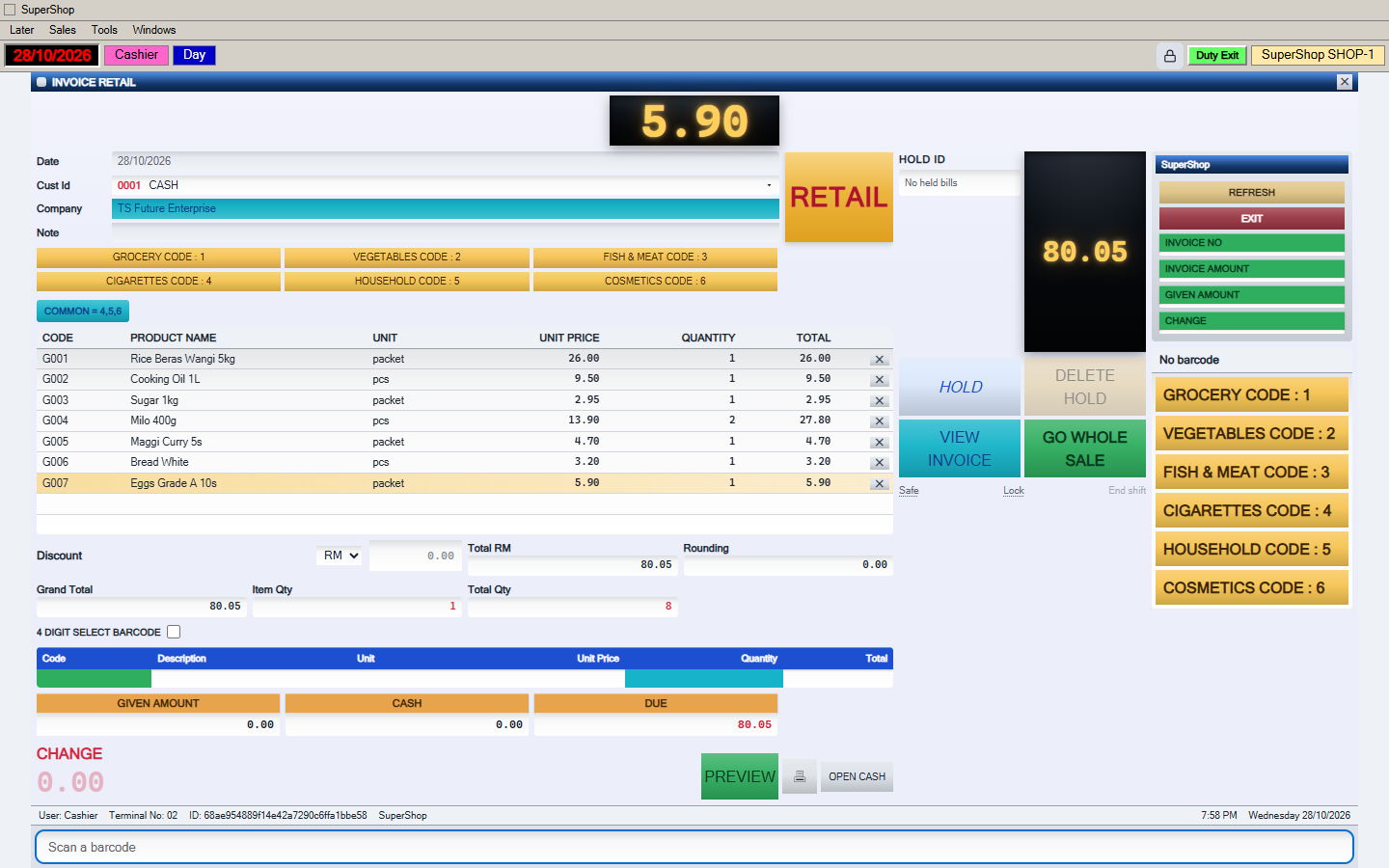 Software Engineering
For a shop, "the system is down" is not an inconvenience. It is a queue of customers walking out. That requirement rewrites the architecture.
If it is, we would rather talk it through than have you read another article about it.
